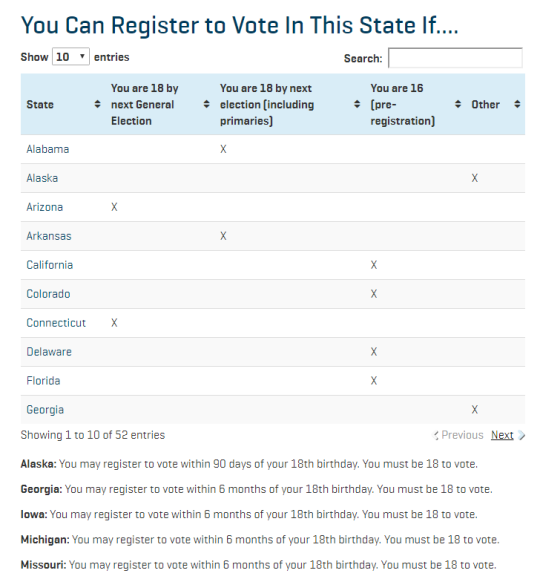
“Think you’re not old enough to register to vote? If you’re 17 and will be 18 by Election Day, chances are you can. Check out our chart below that details when you are eligible to register or preregister in your state, and when you can start voting!”
The info’s all at the site, in table format, but here it is on your dash as a list. The 50 states, Washington, D.C., and Puerto Rico, all alphabetized.
Alabama: you may register to vote if you are 18 by the next election, including primaries.
Alaska: you may register to vote within 90 days of your 18th birthday. You must be 18 to vote.
Arizona: you may register to vote if you are 18 by the next General Election.
Arkansas: you may register to vote if you are 18 by the next election, including primaries.
California: you may pre-register to vote if you are 16.
Colorado: you may pre-register to vote if you are 16.
Connecticut: you may register to vote if you are 18 by the next General Election. Registered 17 year-olds who will be 18 by the general election can vote in primaries.
Delaware: you may pre-register to vote if you are 16. Registered 17 year-olds who will be 18 by the general election can vote in primaries.
Florida: you may pre-register to vote if you are 16.
Georgia: you may register to vote within 6 months of your 18th birthday. You must be 18 to vote.
Hawaii: you may register to vote if you are 18 by the next election, including primaries.
Idaho: you may register to vote if you are 18 by the next election, including primaries.
Illinois: you may register to vote if you are 18 by the next General Election. Registered 17 year-olds who will be 18 by the general election can vote in primaries.
Indiana: you may register to vote if you are 18 by the next General Election.
Iowa: you may register to vote within 6 months of your 18th birthday. You must be 18 to vote.
Kansas: you may register to vote if you are 18 by the next election, including primaries.
Kentucky: you may register to vote if you are 18 by the next election, including primaries. Registered 17 year-olds who will be 18 by the general election can vote in primaries.
Louisiana: you may pre-register to vote if you are 16.
Maine: you may register to vote if you are 18 by the next General Election. Registered 17 year-olds who will be 18 by the general election can vote in primaries.
Maryland: you may pre-register to vote if you are 16. Registered 17 year-olds who will be 18 by the general election can vote in primaries.
Massachusetts: you may pre-register to vote if you are 16.
Michigan: you may register to vote within 6 months of your 18th birthday. You must be 18 to vote.
Minnesota: you may register to vote if you are 18 by the next election, including primaries.
Mississippi: you may register to vote if you are 18 by the next election, including primaries. Registered 17 year-olds who will be 18 by the general election can vote in primaries.
Missouri: you may register to vote within 6 months of your 18th birthday. You must be 18 to vote.
Montana: you may register to vote if you are 18 by the next election, including primaries.
Nebraska: you may register to vote if you are 18 by the next General Election. Registered 17 year-olds who will be 18 by the general election can vote in primaries.
Nevada: you may register to vote if you are 18 by the next election, including primaries.
New Hampshire: you may register to vote if you are 18 by the next election, including primaries.
New Jersey: you may register to vote if you are 18 by the next General Election.
New Mexico: you may register to vote if you are 18 by the next General Election. Registered 17 year-olds who will be 18 by the general election can vote in primaries.
New York: you may register to vote if you are 18 by the next General Election.
North Carolina: you may pre-register to vote if you are 16. Registered 17 year-olds who will be 18 by the general election can vote in primaries.
North Dakota: does not have voter registration. You must be 18 to vote.
Ohio: you may register to vote if you are 18 by the next General Election. Registered 17 year-olds who will be 18 by the general election can vote in primaries.
Oklahoma: you may register to vote if you are 18 by the next election, including primaries.
Oregon: you may pre-register to vote if you are 16.
Pennsylvania: you may register to vote if you are 18 by the next election, including primaries.
Puerto Rico: you may register to vote if you are 18 by the next General Election.
Rhode Island: you may pre-register to vote if you are 16.
South Carolina: you may register to vote if you are 18 by the next election, including primaries. Registered 17 year-olds who will be 18 by the general election can vote in primaries.
South Dakota: you may register to vote if you are 18 by the next election, including primaries.
Tennessee: you may register to vote if you are 18 by the next election, including primaries.
Texas: you may register to vote within 2 months of your 18th birthday. You must be 18 to vote.
Utah: you may pre-register to vote if you are 16.
Vermont: you may register to vote if you are 18 by the next General Election. Registered 17 year-olds who will be 18 by the general election can vote in primaries.
Virginia: you may register to vote if you are 18 by the next General Election. Registered 17 year-olds who will be 18 by the general election can vote in primaries.
Washington: you may register to vote if you are 18 by the next election, including primaries.
Washington D.C.: you may register to vote if you are 18 by the next General Election.
West Virginia: you may register to vote if you are 18 by the next General Election. Registered 17 year-olds who will be 18 by the general election can vote in primaries.
Wisconsin: you may register to vote if you are 18 by the next election, including primaries.
Wyoming: you may register to vote if you are 18 by the next election, including primaries.
How much longer until the utopic Solarpunk future where Capitalism is dead and we all live in ecologically sustainable high-tech forest cities? Asking for a friend.
Until we make those ecologically sustainable high-tech forest cities ourselves. It’s going to take a lot of us to do it though, so best to spread the word (and gather native tree seeds).
And, like, get started now. Then our “weirdo houses” will be the only thing functioning when everything falls apart!
The only reason why we don’t live in a solarpunk world right now is because no one has bothered to make it yet.
We’ll have to make it ourselves, and we’ll have to help each other make it. That’s why it is solarpunk.
Some resources to consider creating or joining or doing:
Repair cafes – create or join your local repair cafe! Repair stuff, learn how to repair stuff, teach others how to repair stuff.
Map of Makerspaces – make some things! learn how to make some things! teach others how to make some things!
Community Garden Map (note that this is US-only, and not a complete list) – join a local community garden
Learn some basics on passive solar design – clever use of the sun can create extremely energy efficient homes and buildings. You can use these principles to save on energy bills, even if you’re renting.
Free USDA Complete Guide to Home Canning, 2015 revision – cut down on personal food waste! Learn how to safely preserve food. Very useful if you suddenly harvest / purchase for crazy cheap in season / dumpster dive a ton of perishable food.
Donate to One Acre Fund, which provides training and capital to farmers (making them more productive and pulling them out of poverty) in various east African countries
Donate to Bridges to Prosperity, which provides technical expertise, money, and volunteers, to help local people build and maintain their own footbridges in extremely isolated rural areas
joining r/solarpunk, and sharing links/ideas/art/music with the community. Also, upvoting stuff for greater visibility. There’s over 900 members!
This is so great
Oh thank goodness for this. I just found out the town I’m moving to has a farmer’s market.
Note: Resources are listed alphabetically by type.
Mental Health Apps
1. ACT Coach
ACT Coach
teaches users how to tolerate negative thoughts and feelings by
virtually guiding them through awareness exercises and giving tips on
how to ditch self-doubt. With an extra focus on mindfulness, this app also provides a log to track your progress. (Free; iOS)
2. AETAS
Designed by therapist Rosemary Sword, this app uses Time Perspective
Therapy, a method developed to unglue us from unhelpful or obsessive
thoughts.
Chockfull of visual aids to encourage relaxation and self-soothing, AETAS also arms users with a time perspective inventory that helps them understand how they view the past, present and future will either help or hinder their happiness. ($4.99; iOS)
3. Breathe2Relax
Sometimes, all we need to de-stress is take a few deep breaths.
Created by the National Center for Telehealth and Technology, this app teaches users how to do diaphragmatic breathing.
Features include educational videos on the stress response, logs to
record stress levels and customizable guided breathing sessions. (Free; iOS and Android)
4. DBT Diary Card and Skills Coach
This app works as a daily mood and thought diary.
But it also has a coaching module that gives tips on sticky emotional
situations, like how to ask for what you need without drama or how to
successfully resolve conflict.
And users get positive reinforcement when they’re consistent with their entries. The app also includes a super helpful DBT reference section for more info on coping skills — all backed by research. ($4.99; iOS)
5. Depression CBT Self-Help Guide
Need help managing the blues? Monitor dips in your mood, learn about clinical depression and treatments, try guided relaxation techniques and learn strategies to challenge negative thinking with this app. It’s all just a few taps and swipes away. (Free; Android)
The end result is more calm in your everyday life and more awareness of your actions and emotions. ($0.99; iOS)
7. Happify
Want to kick negative thoughts, nix worry and dial down stress? The
array of engaging games, activity suggestions and gratitude prompts
makes Happify a useful shortcut to a good mood.
Designed with input from 18 health and happiness experts, Happify’s
positive mood-training program is psychologist approved. Even cooler?
Its website links to bonus videos that are sure to make you smile.
(Free; iOS)
But, as a bonus, it also allows you to compare your mood with
worldwide averages, see which emotions you feel the most and export your
mood tracking data so you can share it with a mental health
professional or trusted friend. ($9.99-$12.99; iOS and Android)
The setup is simple: Users create a personal profile that includes
emergency contact information, current medications, safety plans and
reminders for appointments or medications.
Plus, the app uses GPS to locate mental health care services nearby, should any user enter crisis mode. (Free; iOS and Android)
11. PTSD Coach
If you suffer from PTSD symptoms, this 24-hour tool that’s linked
directly with support services is a valuable thing to download.
Available as an app or on the Web, PTSD Coach lets users select the specific issue they want to deal with (from anxiety and anger to insomnia and alienation), and then gives them guidance on how to lift their mood, shift their mindset and reduce stress. (Free; iOS and Android)
12. Quit It
If you’re a smoker, you probably already know all about the nasty health consequences. But that probably doesn’t stop you from lighting up.
This app’s approach is different. It shows you the hit your wallet takes every time you get another pack. Even better: Quit It calculates how much money you save each time you don’t smoke.
Think of it as extra financial incentive to kick nicotine and tobacco (and save for something far better!). ($1.99; iOS)
13. Quit Pro
Think of this as a fitness tracker
for your smoking habit. By monitoring your cravings over time, the
places you puff the most, the triggers that lead you to light up and the
money you save by resisting a cigarette, this comprehensive app is a much better thing to have in your back pocket than a pack of smokes. (Free; iOS and Android)
14. SAM
How do you know what’s pushing you over the edge and reel yourself back in? SAM’s approach is to monitor anxious thoughts, track behavior over time and use guided self-help exercises to discourage stress.
SAM takes it to the next level
by offering a “Social Cloud” feature that allows users to
confidentially share their progress with an online community for added
support. (Free; iOS and Android)
15. Step Away
A study funded by the National Institute of Alcohol Abuse and
Alcoholism found this pro-sobriety app helped reduce heavy drinking
among users by 60 percent.
Got five minutes?
That’s enough time to cultivate mindfulness, which can improve your
mood, lower stress and help you feel more compassion toward yourself and
the world.
Relying on the powers of relaxation, visualization and positive suggestions, this pro-sobriety app has the goal of calming your mind and getting it to a less stressed place — where you’ll be less likely to crave a drink.
Take advantage of the reminder feature that gives periodic chimes to
prompt you to breathe and focus on the good throughout the day. ($2.99; iOS and Android)
18. Stress and Anxiety Companion
Sure, we know that releasing negative thoughts,
practicing relaxation techniques and engaging in mindful awareness is
good for our wellbeing. But that doesn’t mean we actually do it.
Additional features allow you to identify anxiety triggers to make sure they don’t catch you off-guard. ($4.99; iOS)
19. Talkspace
Bet you didn’t think you could chat with a therapist for just $25 a week. Well, Talkspace makes that possible.
For that low fee, you can text message with a trained professional
every day of the week, as many times as you want. They also offer
services for individuals and couples. Oh, and the best part? You can do
it from your couch. ($25/month; iOS and Android)
20. Worry Watch
We all get anxious only to realize later our anxieties were overblown or irrational. The idea behind Worry Watch is to nip these moments in the bud.
This app enables users to track what kickstarts their anxiety, note
trends in their feelings, observe when the outcomes were harmless and
keep tabs on insights to stop future freakouts.
To lower your anxiety even further, Worry Watch is password
protected, so whatever you divulge in the diary feature is safe and
sound. ($1.99; iOS)
Websites, Online Support and Forums
21. Body Dysmorphic Disorder Foundation
People with Body Dysmorphic Disorder have a damaging preoccupation with their appearance and an obsessive focus on their physical flaws. If that sounds familiar, you might find some relief on the BDD Foundation’s website.
Resources for better understanding the problem, seeking treatment and
spreading the word about the disorder are all laid out here.
22. Center for Complicated Grief
Hosted by the Center for Complicated Grief,
this long list of resources gives people a ton of alternative outlets,
social support groups and organizations to connect with when healing
from the loss of a loved one.
23. CenterLink: The Community of LGBT Centers
Founded in 1994 as an alliance to promote and maintain LGBTQ community centers, CenterLink’s helpful services have now moved online.
Check out all they have to offer — from links to health centers across the US to advocacy groups and educational services.
One of the center’s best resources is its online volunteer-run chat room.
All chats are confidential (read: no transcripts or recordings are
saved). Chats are open 1 pm to 9 pm PST during the week and between 9 am
and 2 pm PST on weekends.
It’s also a place to share experiences, discuss progress and
challenges, and potentially make some new friends who get where you’re
coming from because they’re right there with you.
26. IMAlive
If you’re in a place where picking up the phone seems too daunting,
you can still access support through IMAlive’s virtual crisis chat.
Find help, learn more about the illness and even apply for grants here.
28. MentalHealth.gov
The main goal of this government-sponsored resource is to educate as many people as possible about the realities of mental illness in America while offering resources to those seeking help.
From education about mental illness to updates on insurance coverage, NAMI
offers a slew of resources. People who want to get informed about the
workings of the mind and our government’s recognition of mood and
behavioral disorders will get the full scoop here.
But arguably the most helpful resource is the heart-wrenching and
hopeful personal stories from individuals across the country sharing
their accounts of living with mental illness.
Individuals in need can plug in their desired assistance, from case
advocacy to counseling, along with their state and county for immediate,
local help ASAP.
31. National Eating Disorder Association of America
A pioneer in the education and treatment for eating disorders, NEDA extends a wide range of support services, learning tools and opportunities to advocate on behalf of those with an eating disorder.
You can also get involved with the association’s sister program, Proud2BMe, and join a community geared toward promoting a healthier relationship with food and weight.
It serves as a hub on a variety of topics: the latest news on a range of disorders, updates on new treatments and reports on insurance coverage. And, yes, you can also search for support via NIMH’s site as well.
33. OK2Talk
Designed for teens and young adults with mental illness, this site
offers an online outlet for people to come forward with their own stories, find support and discuss the diagnoses they may have received.
OK2Talk comes with
plenty of motivational posts and mantras as well. One quick look at the
site will tip you off that, whatever you’re struggling with, you’re most
certainly not alone.
34. Stalking Resource Center
You probably already know stalking is an extremely serious issue. But
you may not know what type of help to seek if you or someone you know
is a victim. Here’s where the Stalking Resource Center can help.
They present a number of options for anyone struggling with endless
unwanted attention or obsessive behavior. From a brochure explaining
what stalking is (and how to tell if you’re being followed) to tips on
developing a safety plan, this site should be the first stop for anyone
in need of assistance.
35. Substance Abuse and Mental Health Services Administration
This government-sponsored resource is chockfull of data, research insights, grants and educational tools about substance dependencies and mood or behavioral issues. SAMHSA also offers many resources for people suffering from these issues.
36. Trevor Space
Are you a young person seeking support for an identity that falls along the LGBTQ spectrum? This site,
an endeavor sponsored by the Trevor Project, is an excellent safe haven
to connect to other young gay, lesbian, bisexual, trans* or queer
people.
You’ll also pick up news about LGBTQ issues and get tips for joining in the community, wherever you live.
If you’ve been diagnosed with borderline personality disorder — or
you have a hunch you or a loved one may be displaying symptoms of BPD —
the social workers staffing the Borderline Personality Disorder Resource Center’s hotline can arm you with all the information you need about local resources and provide immediate over-the-phone counseling.
38. National Suicide Prevention Hotline: 1-800-273-8255
With the primary aim of keeping you going even in the darkest of times, this suicide prevention hotline is available 24/7 to offer a compassionate ear — no matter what you’re dealing with.
Pour your heart out to a skilled staffer without fear of being
judged, and if you’d like referrals to local mental health care services
after your call, hotline representatives can set you up.
39. Disaster Distress Hotline: 1-800-985-5990
If you’ve recently been the victim of a disaster (whether caused by
nature or man), this is your go-to contact for all things related to
counseling and relief. The trained counselors staffing the Disaster Distress Hotline
provide help to those suffering in the wake of hurricanes, floods,
wildfires, droughts and earthquakes as well as incidences of mass
violence or health epidemics (like the Ebola crisis).
The call center is also open to friends and family members of
victims. An alternative way to connect is to text “TalkWithUs” to 66746.
40. GLBT National Help Line: 1-888-843-4564
Need to talk to someone who gets it when it comes to coming out, being bullied for your sexual orientation, or navigating same-sex relationships? Look no further than the GLBT National Help Line, run by peers and allies of the LGBTQ community.
This hotline is ready to hear your concerns and can connect you to
the GLBT National Help Center’s massive list of resources for
LGBTQ-friendly services and organizations near you.
41. GLBT National Help Center for Youth: 1-800-246-7743
If you’re under 21 and looking to speak with a peer counselor who
really understands issues related to gender or sexual identity, this is the number to call.
Similar to the national help line, this version for youth lets young
LGBTQ-identified individuals dial in to talk about hardships faced in
their day-to-day lives.
Callers can also access a ton of resources to help bolster them well into their 20s and beyond.
So I got this app in the spirit of “I really need to track my downswings better”. Like… Holy shit? It’s easy and I can show my doctor this? And you can add activities and shit? So like you can add “took meds” or “showered” frex. Or even things that you’re wanting to monitor like “suicide ideation” or “knee pain” or “anxiety attack”.
Idk I just think that people might like having this to monitor symptoms and shit for doctor visits and stuff.
ETA: It also had a Hannukiah Menorah (I apparently can’t count) and the Magen David in their icon database which made me happy. I might start tracking when I go to Shul and light my candles and stuff.
Okay so I set up reminders and it’s really awesome how they do it? It just kinda shows the mood options at the top of your screen and you can choose one and it’ll redirect you. It’s super easy? I’m really happy with this app already and I feel like this is one I’ll actually consistently use for once.
it really is so great. It’s just the right level of reminding you that it exists (so that my ADHD ass remembers to use it) without being intrusive (so that my impatient ass doesn’t just delete it). Its activity log and moods are completely customizable, and it provides an excellent log.
Okay can yall reblog this to share something that’s actually helpful? There are two websites that can assist people with triggers to know whether or not a movie is going to be something they should avoid. The first one is:
Originally created to list whether or not the animals in movies were harmed, it has expanded to list a number of triggering things like people being cut, jumpscares, strobe effects, vomit, deaths of children, and many more. For some categories it links to:
which has a similar format to Does the Dog Die but deals with a variety of sexual themes. It even elaborates on some of the checked categories just to let you know how serious or in what way the category is expressed in the movie.
I don’t like the environment of tumblr scaring people into thinking they don’t have the help or resources they need to live happy and without anxiety unless the right PSA floats across their dash. If there are any other databases anyone knows of that provide more info about media or elaborate upon MPAA ratings, please comment. Let 2018 be a year of empowerment.
some other sources:
common sense media is a generalized and well updated site that gives content warning as a guide to parents, but is also relevant and very helpful if youre looking for your own uses
also all IMDB movie pages have a ‘parents guide’ section that is extremely thorough and gives a description of all potentially disturbing scenes grouped by sex, violence, drugs/alcohol, etc
and wheres the jump is great for horror movies, it gives an exact timestamp and description of any jumpscares in the movie
I’ve thought, many times, about writing a book or something that was basically How To Negotiate Your Disability Without Curling Into A Ball And Weeping More Than Once Or Twice A Week *Or* Murdering The Entire Universe (More Than Once Or Twice A Week).
Here are some highlights:
1) On acquiring adequate pain medication.
Never actually say “I really need strong drugs here doctor, because the drugs you and every other doctor gave me for this injury/illness didn’t work, and also I’ve been in pain for years and I’d like that to stop.”
While there are some doctors who speak human languages and will understand what you’re saying, most, when you say that, will hear:
“I am a ravening junkie werekaiju, and I will come to your house and EAT YOUR BABIES IF YOU DON’T GIVE ME HEROIN.”
You think I’m kidding? Watch a healthcare professional’s eyes when someone else says something like the following. Watch them shut down and back away and tighten up and generally stop treating the person like a human.
So what do you say?
Try this:
“Well, I hate these drugs that make me *stupid*, you know? One of these so-called doctors — they gave me some pill that made me feel like I was on a whole separate planet for *years*, but I was still in pain! I have things to *do*, doctor. I have a job/family/projects. I wouldn’t be here if I could get my work done the way I am now, but if I can’t do them with the drugs you give me, then what’s the point?”
Make sure to translate this into the appropriate dialect for your area, but note the important points:
a) Reassures the doctor that you’re not one of those ~*eeevil*~ junkies. b) Reassures the doctor that you’re not one of those ~*eeevil*~ non-productive members of society.
c) Reassures the doctor that you’re not one of those ~*eeevil*~ weak-willed disabled people.
Remember not to use too *much* *correct* medical jargon — they get suspicious about that.
Yes, all of this is necessary a *lot* of the time.
With the above code, 95% of the time the doctors begin *cooing* at me and treating me like *royalty* — and *100%* of the time I have gotten the effective medication.
Pro-tip: If you can add a true (or true-sounding) story about how much you *hate* one *particular* opiate (“Percocet is useless! All it does is make me stupid!”), then you’re probably in the bag.
2) Acquiring mobility devices.
Never actually say “I need a walker/wheelchair/scooter, because I have trouble getting around, and also I have a great deal of fatigue and pain when I try to do so.”
While some healthcare professionals speak human languages and have souls… well.
A lot of them? Will hear this:
“I am a fat, lazy, Fatty McFatFat, and I will continue to expand, much like the universe, until I am a drain on the resources of this great nation and a proof that you, doctor, are a failure. I will never use the mobility devices, ever, and they will gather dust in my home — a mockery of everything you, Morally Healthy Person, holds dear.”
Yes, I know this makes even less sense than the former, but I’ve interrogated these people — the ones who have still have partially-functional souls and minds — and this really is how it works in their adorable little pinheads.
They really do think we’re asking for these devices for… no reason at all.
Or, as my otherwise sane GP put it, she has an honest fear that people like us will take one look at our new mobility devices and throw all caution — and sense — to the winds. That we’ll stop stretching and exercising. That those of us who *can* walk for short distances will — somehow! — decide to *never walk again*. That we’ll decide to — gleefully! cheerfully! blithely! — let every last one of the muscles we’ve been clinging to with our *fingernails* *atrophy* to *nothing*, because…
Because they think we’re idiots, that’s why.
So, try this instead:
“I have a lot of pain and fatigue when I try to walk for any kind of distance, at all, and that’s getting in the way of my ability to have anything resembling an active life. It’s even hard to get to my doctor’s appointments sometimes! I want to do at least some of my own shopping and other errands, and go out with my friends, and at least try to hold down a job, but unless the weather is really good and I’m having a good day in other ways, it’s just not going to happen. I don’t want to stop using my cane/walker/whatever completely — and I *won’t* unless I *have* to, just like I won’t stop doing my PT and OT exercises — but I need something that will let me actually have a life.”
Note the similarities to the pain management code — and yes, do make sure you put this in your own words.
But also make sure you keep everything that makes you sound like the Virtuous Handicapable Person you totally are.
Because that’s necessary.
Yes, it is.
Yes. It. Is.
Just as it will be necessary, in many states — make sure you check — to add in this little number:
“It’s just… well, you know that I don’t really have any bladder or GI issues, doctor, but I still… sometimes… on bad mobility days… you know.”
Here’s where you look down.
“Sometimes I don’t make it… you know. In time.”
Understand that you’ll have to repeat this to, like, four different people. At least.
Understand that some of them will make you get specific.
If it helps, pretend you’re Steph Brown, doing her level best to gross the everloving bejeezus out of her P.E. teacher with graphic stories about her period so she can get out of class and fight crime.
*I* certainly found that helpful.
YOU GUYS YOU GUYS YOU GUYS!
My wheelchair has arriiiiiiiiiiiiiived!
I’ve spent the past few hours bumping into everything ever and also running *over* everything ever and I’m so in love I can’t even deal, because!
Chair!
Freedom!
FREEDOM!
I’ll be able to go shopping for necessities even when my legs don’t work enough for the walker or the cane! I I’ll be able to go shopping even when my legs don’t work at all! I’ll be able to go all *kinds* of places even when my legs don’t work!
I won’t HAVE to put all the responsibility on Jack, whose legs barely work any fucking better than mine! Do you understand this? CAN you understand this?
Fuck, I’m tearing up so hard here, and — yeah. This is why I’m reblogging the above. I *know* there are people out there in the U.S. who need this help. People who, like me, have Medicaid insurance — insurance which often feels *damned* theoretical — but still haven’t been able to get the pain management or mobility devices they require.
For those of you in Southern New England, I went through:
Access Rehab Centers — fine PTs, OTs, and speech therapists who will do their *damnedest* to come through for you both in terms of giving you the therapy you need and in filling out the REAMS of PAPERWORK you need. They, in turn, worked with:
Hudson Seating & Mobility — These people are absolute motherfucking HEROES. They come to your home; they measure you gently and professionally; they treat you like human beings; they explain everything about the various mobility devices to you and then ask you *more* questions to winnow down which one(s) would be the *best* fit for you; they *bring* you devices to test-drive; they give suggestions about how to arrange your home for your health, comfort, and safety; they tell you how to get what you need and what you need to say and who the best PTs to talk with are; they go with you to the PT to do more fine-tuning and help fill out the paperwork; they man the barricades when Medicaid tries again (and again, and AGAIN) to screw you —
And then they deliver your baby to your door just as fast as they can.
And, you know? These people all go to conventions and industry meet-ups. They talk to each other. Contact them. See if they can connect you to people in YOUR area.
THEY ARE THE LITERAL BEST.
I? Have been trying to get even a *manual* chair that I’d only be able to use when I had a physically powerful aide to push me around in it since *2005*. My (new as of last December) GP sent me to Access who sent me to Hudson earlier this year and —
WHAM.
Yeah.
YEAH.
PLEASE. PLEASE. TRY TO MAKE THIS HAPPEN FOR YOURSELVES.
YOU ALL DESERVE TO BE EXACTLY AS HAPPY AS I AM RIGHT NOW!
My chair, by the way?
Has green accents.
He’s named Jaybird.
Because he’s JUST THAT MOTHERFUCKING SUPPORTIVE AND INVESTED IN MY COMFORT AND SAFETY AND HAPPINESS AND IF YOU DON’T LIKE IT HE WILL RUN YOUR MOTHERFUCKING ASS OVER UNTIL YOU’RE MOTHERFUCKING CRANBERRY SAUCE.
FUCKIN’ A.
Reblogging because these kinds of scripts are exactly what I have to use in order to get the drugs I take for anxiety. I HATE doctors. I cannot over-state how much.
I hate going to the doctor. I can’t seem to do these scripts no matter how many times I practice, and it’s so frustrating.
Hi, sirida — I popped over to your blog and read your tags on your reblog, and, well, I’ve BEEN THERE! I’m so, so sorry you had to deal with those fuckheads, and it really just sent me back to some horrible places in my medical history.
Here are some things that I should probably make a larger post about Dealing With Your Medical (Un)Professionals:
1) If you *can* go with someone else, *do* go with someone else. Not just anyone else — someone who knows your health issues, and understands your health issues (mental or physical or *whatever*), and believes in you *and* your health issues. This person might be your lover, or your friend, or your fuckbuddy, or the fancreature visiting you from London that week, or your pastor, or WHOEVER.
The important things are that you share a mutual affection and trust with them, that they understand your health problems at least as well as you do, and that they are capable of stepping in to have your back when the asshole doctors/nurses/whoever are giving you shit.
For me, this person is my spouse Jack. We take this role for each other *all the time*. Happily, we’ve reached a point where not *all* of our medical professionals require a tag-team approach, but you better believe some of them do.
*If your medical professional says that you medibuddy cannot be with you when you are having your consultation* (as opposed to, say, your CT scan, or MRI, or X-ray, or whatever — THEY CAN TOTALLY BE WITH YOU FOR YOUR VAGINAL ULTRASOUND, PEOPLE! DON’T BE FOOLED!), then you either put your foot down and tell that fuckwit that they’re dead wrong? Or you explain to them that they aren’t your doctor anymore and you let them watch you strut right out the door.
Motherfuckers.
In my experience? They pretty much always back down and let your medibuddy in.
Good way to find a potential medibuddy: Depending on where you live, your level of disability, your insurance, etc., your statewide nursing organization/general healthcare clearinghouse (here in CT, it’s Husky Health) may be able to provide you with a nurse who will work with you *personally* and either come with you to your appointments, or, after you explain to them over the phone how your doctor fucked the fuck up? They will damned well *call* that fuckwit on your behalf and wreck shit.
Call 211 and see what you get!
Now, once your medibuddy is in the room, some doctors will be utter pricks and like “I need to hear this from YOU.” Or, completely contradicting themselves, they will ignore your protests entirely and yell at your medibuddy — “Now listen here — I will talk to the patient and ONLY to the patient.”
This is where the *real* script comes in:
“Oh, I’m sorry, doctor, but I’ve terrible trouble with anxiety when it comes to health issues, and [medibuddy] knows everything about my condition. I would much prefer it if you talked to them whenever possible. They are, in fact, privy to all information about that.” [Make sure to ask the receptionists out front for documents you can sign which will allow this to be true.]
AND/OR:
“Yes, I know this is against your office policy, but a) it is my right, and b) I feel it would be a much more efficient use of our time if we did this the way which would not end in me crying in pain and/or having a panic attack.” *insert pointed look here*
AND/OR:
“No, doctor, I do *not* need to be admitted into psychiatric care. I simply need you to accede to my wishes and speak to my medical proxy, who is right here. I will answer all questions they cannot, of course, but I prefer — as is my right — for you to direct the lion’s share of questions to them.”
Honestly, though? If they fight past the first scripted answer? You probably need a new doctor anyway.
But yes, politeness, firmness, a *hint* of sarcasm to remind them of your humanity and the fact that you’re a person who is currently calm but who is *capable* of messy, inconvenient, and *time-consuming* emotions?
Yeah, this often works well.
2) If you can’t find a medibuddy/your medibuddy is currently unavailable/your medibuddy is as bad at remembering their lines as you are?
Honey, this isn’t Broadway!
Think of it as more of an open-book exam.
Take notes about *exactly* what you want to say. Write it down. Bullet-point in neat, pithy little catch-phrases if you have the kind of medical professional who actually reads the charts the techs and nurses hand them before they start prodding at you (of course, if you had one of those, you probably wouldn’t need *this*…), or just however is easiest for you or your medibuddy to read if you can’t.
“I have some notes here that I brought to stay organized…”
If the medical professional balks — and, yes, some of them will, because some of them are just that fuckwitted:
“I’m sorry, I have some memory issues, and I wanted to make sure I stayed organized and on-point. I know how busy you are.” *insert cold smile here*
OR
“I often get flustered/embarrassed when I talk about my needs — I hate to whine — and this makes it easier and much, much faster. I hope you understand?” *insert pointedly wide-eyed look here*
OR
“I can be quite forgetful — the last thing I want to do is leave something out and then have to come back a week later and waste everyone’s time!” *insert fake laugh here*
Or something along those lines.
Note how you’re playing to Dr. Asshole’s ego. This? Tends to work. Phrase it in your own words. Put it right on top of your copy of the notes. And your medibuddy’s copy, too.
Though let me be clear — I’ve only had doctors complain about the notes method about 5% of the time. About 10% of the time, they’ve been indifferent. The other 85%? They’ve been downright overjoyed. Medical professionals equipped with still-functioning minds and souls *recognize* the efficiency and utility of this method, and jump right the hell over it.
Especially if it’s typed-up in nice large text.
So, you know, even if you’re *sure* the medical professional you’re seeing is a throbbing pustule on the body politic? Bring a nice, clean, insult-free copy for them just in case.
Re-blogging and signal-boosting, because I guarantee to you, people:
Sooner or later, you will need this. Either you will personally, or your parent/child/signficant other/best friend will. This is part of modern life, one of the major signs of adulthood.
DO NOT tell them about stuff you read online or heard from a peer, most doctors will take you less seriously and write off what you’re saying. Most doctors only respect other doctor’s opinions, so if you wanna discuss things you heard online then fudge the truth and tell them that *another medical provider* explained it to you like this and it seemed to make sense to you, and then ask them for their opinion on the matter.
If all else fails you can try what I call tactical crying; when combined with all of the above having a small breakdown or even a few tears can go a long way to arousing pity and convincing some doctors that things are as serious as they are. It’s important that you make it obvious that you’re distressed because of stuff such as “I’m trying so so so hard to get my life back and I’m just so frustrated at my lack of progress and I just want someone to help me figure this out” or whatever, then look at them with watery, pleading eyes. Not guaranteed to work, but it’s helped me several times.
Also, it’s well-established that people who take a medibuddy or even just a friend to be in the room tend to get better care (you could google that for sources). If you’re a marginalized person then this is basically *essential*, at least on first-time visits, because having a witness in the room makes it less likely that the doctor will discriminate against you.
Also: never underestimate the power of turning up right after a shower. Don’t blowdry your hair. Because you DO care about being groomed, see, but some days…some days you have to allocate your limited energy resources where you can.
A friend of mine posted this. Reblog to save a life!
goodrx.com will find the cheapest pharmacies in your area for your prescriptions and offers a discount program at no cost for some pharmacies (some don’t require the prescription to be cheaper at that pharmacy, it will provide a link to the discount card if it’s needed to get the cheaper price).
obviously not applicable to here but reblogging for americans because your health care system gives me second hand anxiety for all of you
GUESS WHOSE GETTING THEIR ABUTEROL!
Goodrx is pretty much solely responsible for me being able to initially try triptans for my migraines, since at the time my insurance didn’t cover them.
I use goodrx for my dog’s seizure medications, it’s a lifesaver, if I didn’t I would be playing $150 a month, when it’s reduced to about $70 a month


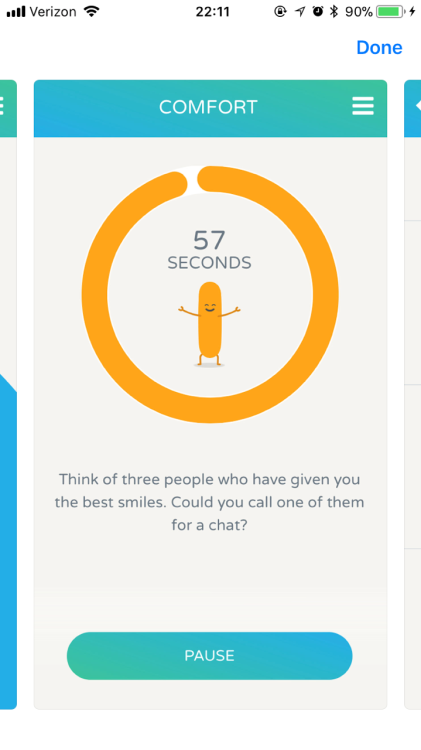
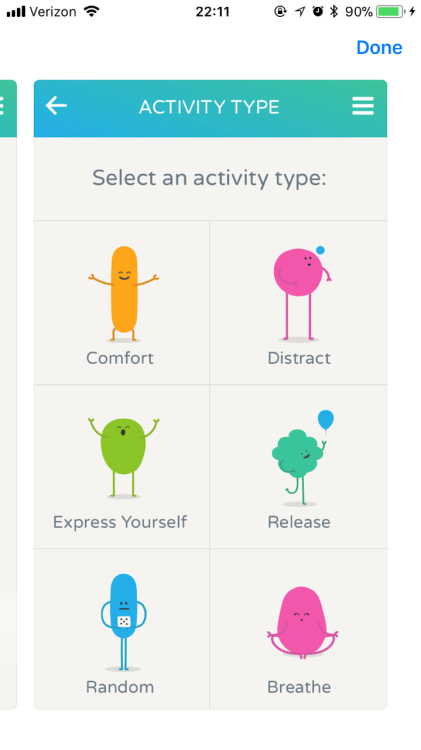
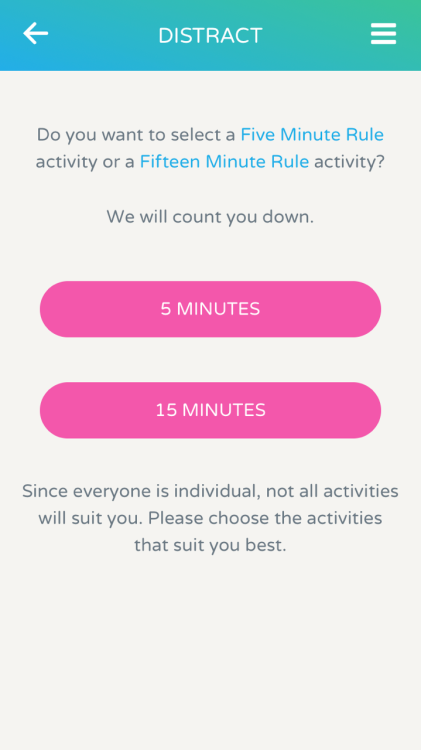
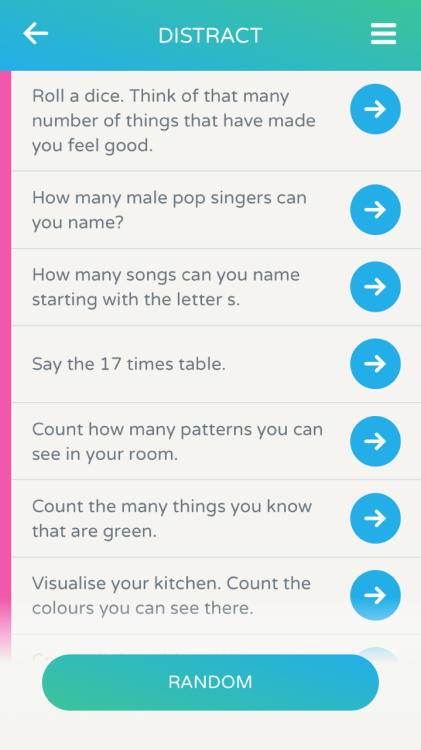

 I'm a defeatist but I don't have to be